How to Read Your Opponents Body Language in Live Card Games
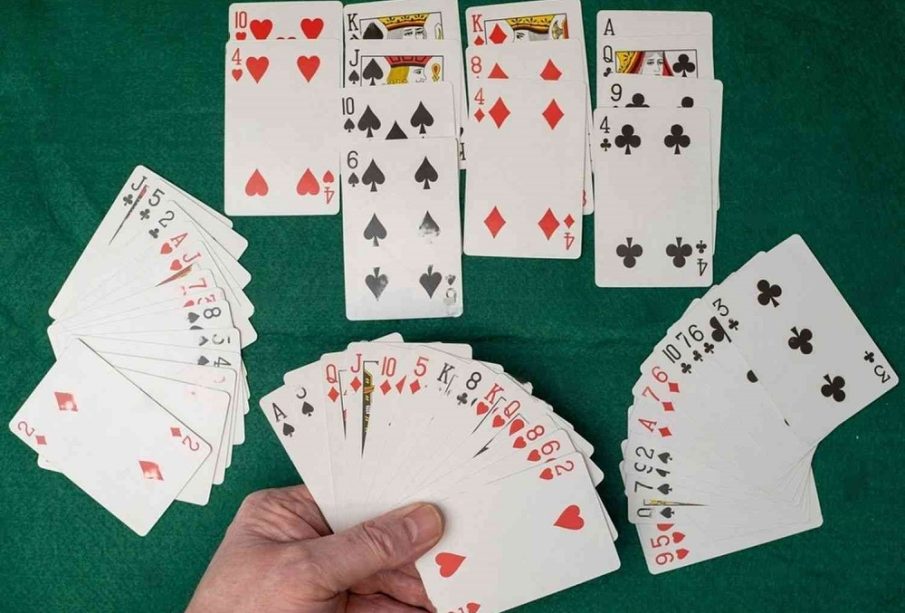
The allure of live card games, particularly strategic variations like Texas Holdem poker, lies in the fact that it is a game played against human beings rather than a mathematical machine. While understanding percentages, pot odds, and game theory optimal strategies forms the foundation of a successful player, physical observation often bridges the gap between a standard player and an elite competitor. In a live environment, information is constantly leaking from every individual sitting around the felt.
When players are under psychological stress, their bodies often override their conscious attempts to remain stoic. These involuntary physical reactions, commonly referred to as tells, provide astute observers with a window into the strength or weakness of an opponent hand. Reading body language is not about identifying a single, universal signal that gives away a bluff every time. Instead, it requires a structured, analytical approach to human behavior, baseline evaluation, and sensory awareness.
Establishing a Reliable Behavioral Baseline
Before attempting to decode an opponent physical movements, you must understand the concept of a behavioral baseline. A common mistake made by novice players is observing an action, such as a player shaking hands, and immediately assuming it means they are nervous and bluffing. In reality, that individual might suffer from a chronic medical condition, have consumed too much caffeine, or simply be naturally anxious during every single hand they play.
To establish a baseline, you must observe how an opponent behaves when they are completely relaxed, when they are involved in low-stakes pots, and when they are simply chatting between hands. Pay close attention to their normal posture, their vocal tone, how fast they blink, and how they handle their physical chips when there is no pressure. Once you know what their normal state looks like, any sudden deviation from this baseline during a massive pot becomes a high-value data point.
The Psychology of False Comfort and Actor Behaviors
The most fundamental rule of reading tells in live card games was popularized by gambling authority Mike Caro: players who are strong will often try to look weak, while players who are weak will often try to look strong. This concept stems from basic human deception psychology. When people are consciously trying to deceive you, they act out a role.
Signs of Simulated Weakness (Hidden Strength)
When a player holds an incredibly powerful hand and wants you to bet into them, they will frequently display behaviors designed to look like disappointment, hesitation, or indifference.
-
The Sigh or Shrug: A player who sighs heavily, looks away in apparent disgust, or shrugs noncommitally before making a substantial bet is often trying to project a sense of vulnerability. This is an attempt to make their bet look reluctant when, in reality, they hold a monster hand.
-
The Hesitant Chip Selection: An opponent may fumble with their chips or take an unnaturally long time to decide on a bet size, making it look like a difficult choice. If they suddenly execute a massive raise after this performance, the hesitation was likely a theatrical display designed to mask supreme confidence.
-
Instantaneous Checking: When the dealer places a card on the turn or river and a player checks instantly without looking at the new card or analyzing the board, they are often trying to project total weakness. They want to bait you into betting so they can execute a surprise check-raise.
Signs of Simulated Strength (Potential Bluffs)
Conversely, when an opponent is executing a high-risk bluff with a weak hand, they want to project absolute certainty and invulnerability to discourage you from calling.
-
Staring Down Opponents: A player who is bluffing will often look directly into your eyes or stare intensely at your chip stack after making a bet. This aggressive eye contact is an intentional act of intimidation designed to make you fold.
-
Rigid Posture and Shallow Breathing: True bluffs induce a fight-or-flight response. To control this adrenaline spike, a bluffing player will often freeze completely, holding their breath or taking very shallow breaths to avoid drawing attention to their physical movement.
-
Aggressive Chip Splashing: Slamming chips forcefully onto the felt or throwing them into the pot with excessive energy is a common theatrical display meant to signal supreme confidence in the hand.
Monitoring Micro-Expressions and Facial Indicators
While macroscopic body movements can be easily faked by skilled actors, micro-expressions—fleeting, involuntary facial muscle movements—are incredibly difficult to control consciously. The face contains thousands of nerve endings that react directly to emotional stimuli.
The eyes are particularly revelatory. When a player catches a highly favorable card on the turn or river, their pupils will often dilate involuntarily due to a sudden surge of excitement. Additionally, look at where an opponent eyes travel the exact moment a new card hits the board. If a player looks at the flop and immediately glances down at their own chip stack, it typically indicates they like what they saw and are already calculating how much money they want to wager.
The jaw and mouth also hold critical clues. A sudden tightening of the jaw muscles, swallowing hard, or licking the lips frequently signals a dry mouth, which is a direct physiological byproduct of sudden anxiety and an elevated heart rate. If a player suddenly displays these signs right after making a massive river bet, they may be struggling to contain the intense stress of a bluff.
The Subtle Language of Hands and Feet
When people try to maintain a poker face, they focus almost ninety percent of their conscious energy on their eyes, mouth, and vocal expressions. Because of this localized focus, they completely forget to control what their extremities are doing.
Watch how an opponent handles their cards. A player who suddenly protects their hole cards by placing a chip on top of them with extra care after a scare card hits the board is usually signaling a genuine piece of made hand that they want to protect. If they leave their cards completely exposed and unprotected while looking around carelessly, they may have already resolved to fold the hand at the next opportunity.
The feet are arguably the most honest part of the human body because they sit furthest from the conscious brain center. While you cannot always see under the table, look for signs of leg movement through the fabric of an opponent clothing. Repetitive, rhythmic foot tapping or leg bouncing that begins the moment a specific card is dealt often indicates high positive energy and excitement, suggesting they have just completed a straight or a flush.
Implementing the Data Without Becoming Exploited
Recognizing body language signals is only half the battle; you must learn how to integrate this information into your broader game strategy without giving away clues yourself.
Never react immediately when you spot a tell. If you notice an opponent hand trembling when they bet, do not instantly announce a call or a fold. Take a deliberate ten to fifteen seconds to process the information, ensuring that your own physical reaction remains perfectly uniform regardless of what you have observed. Remember that advanced players are fully aware of these tells and will occasionally utilize reverse psychology—deliberately faking a tell to trap an uncritical observer. Always weigh physical tells against the mathematical consistency of the betting line before making your final decision.
Frequently Asked Questions
Why does a player hands shake when they have a powerful hand instead of a bluff?
Hand tremors are caused by a sudden release of adrenaline into the bloodstream. While a bluff creates stress, holding an absolute winning hand often triggers an intense surge of excitement and anticipation of winning a massive pot. For most recreational players, this positive excitement is much harder to control physically than the defensive freezing instinct associated with a bluff, making shaking hands a very reliable indicator of extreme strength.
How can you distinguish between a genuine tell and a deliberate deception by a professional?
The key distinction lies in timing and consistency. A genuine, involuntary physical reaction almost always occurs within the first one to two seconds after a stimulus, such as a card being flipped or a bet being made. Deliberate deceptions are theatrical performances that usually occur after a slight pause, as the player consciously decides what image they want to project. Furthermore, if the behavior contradicts the mathematical narrative of the hand, it is likely an act.
Does wearing sunglasses and hoodies completely neutralize body language tells?
While sunglasses effectively eliminate direct eye contact and pupil dilation data, and hoodies can mask neck tension, they do not completely neutralize a player body language. An observer can still track breathing patterns, chip handling speed, posture shifts, arm placement, and vocal inflections. Over-reliance on physical gear often makes players lazy regarding their other physical habits, leading to massive leaks in alternative areas.
What does it mean when a player checks their hole cards repeatedly during a hand?
Repeatedly checking hole cards usually happens when a multi-suit or coordinated board texture appears, such as three cards of the same suit. A player will look back at their cards to confirm whether they hold a specific suit or a certain card kicker. If a three-flush board hits and a player checks their cards, it guarantees they do not have a made flush yet, but are verifying if they possess a single card of that suit to chase a draw.
How does vocal pitch change when an opponent is under intense pressure?
When the human body enters a state of high stress, the vocal cords tighten involuntarily due to muscle constriction. This causes the vocal pitch to rise slightly, and the speech pattern may become clipped, fast, or unusually formal. If an opponent who is normally relaxed and casual suddenly uses very rigid, high-pitched language to announce a bet size, it strongly indicates they are experiencing significant psychological pressure.
What is a reverse tell and how do you spot it?
A reverse tell occurs when a knowledgeable player intentionally exhibits a classic body language signal to trick an opponent into making an incorrect read. For example, an advanced player might intentionally sigh and shrug before betting, knowing you think it means weakness, when they actually have a monster hand. You spot these by analyzing their historical skill level. If they are a sophisticated thinker, you must assume their obvious physical movements are calculated traps.