
How Live Streaming Is Changing the Betting Experience
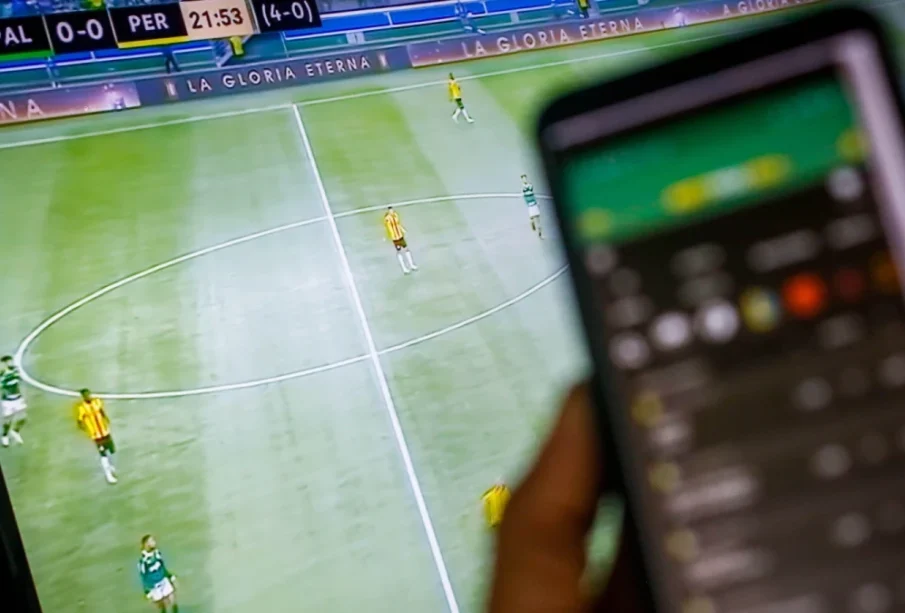
The sports wagering industry has undergone a massive shift over the last few years, moving away from a static, predictive model toward a fluid, real-time environment. Historically, placing a sports wager was a detached, two-step process. A person would analyze statistics, place a bet before the game started, and then watch the broadcast separately to see the outcome.
The widespread integration of live streaming directly into sports betting platforms has completely shattered this old framework. By combining live video feeds with real-time wagering interfaces, digital sportsbooks have created a highly synchronized, interactive media ecosystem. This convergence does not simply add a new feature to modern sportsbooks; it fundamentally changes how fans consume sports, how data is processed, and how the psychology of modern digital entertainment functions.
The Elimination of Latency and the Rise of In-Play Wagering
At the core of this transformation is the dramatic reduction of broadcast latency, which refers to the delay between the physical action occurring on the field and the visual appearing on a user screen. Standard television broadcasts and traditional streaming services often carry a lag of anywhere from ten to thirty seconds. In the fast-paced world of live betting, a ten-second delay makes real-time wagering impossible, as the bookmaker would constantly be vulnerable to individuals betting on events that have already happened in the physical stadium.
To bridge this gap, sports betting companies have invested millions of dollars into ultra-low-latency streaming architecture. Utilizing advanced video transmission protocols, modern sportsbook applications can deliver video feeds with less than a single second of delay.
This near-instantaneous transmission has fueled the explosion of in-play, or live, wagering. Rather than merely betting on the final score of a football match or basketball game, users can now wager on microscopic events within the game itself. This environment relies entirely on the fact that the consumer is watching the action unfold in absolute real time, creating an environment where a bettor can react to a shifting defensive formation or a sudden change in weather instantly.
The Micro-Betting Phenomenon and Fan Engagement
The direct pairing of live video streams and live odds has given birth to a highly granular form of gambling known as micro-betting. This involves wagering on short-term, incremental outcomes that are decided in a matter of seconds or minutes. Examples of common micro-bets include:
-
Predicting whether the very next pitch in a baseball game will be a strike, a ball, or a hit.
-
Wagerng on whether a football team will execute a pass or a run on a specific third-down play.
-
Betting on which tennis player will win the next individual point during a live set.
-
Predicting the outcome of a single free throw during a basketball game timeout.
Micro-betting fundamentally changes the psychology of sports spectatorship. Traditional betting requires a sustained, macro-level interest in the overall outcome of an event. Micro-betting, powered by live streams, turns every single moment of a game into an isolated, self-contained event. This keeps viewers highly engaged during segments of a broadcast that were previously considered boring, such as commercial breaks, timeouts, or lopsided games where the final winner is already obvious.
Frontend Overlays and Frictionless User Experiences
In the early stages of live-streamed betting, users still faced a clunky experience. They had to watch the video feed in one section of an application, close or minimize the video window to open the betting menu, input their wager, and then reopen the stream. This brief disruption often meant missing a crucial play or losing out on fluctuating odds.
The modern solution to this problem is the implementation of interactive in-stream frontend overlays. This technology layers the betting menu, live statistics, and digital bet slips directly on top of the video player interface.
When a viewer is watching a soccer match on their smartphone or tablet, the live odds are displayed as a transparent, interactive menu along the edge of the screen. If the viewer spots a sudden momentum shift and wants to place a wager, they simply tap the overlay menu. The bet is processed instantly without ever pausing, shrinking, or interrupting the live video broadcast. By removing all physical friction from the process, sportsbooks keep the user completely immersed inside the broadcast ecosystem for hours at a time.
Artificial Intelligence and Dynamic Odds Engineering
Behind every live stream is an incredibly sophisticated data pipeline powered by artificial intelligence and machine learning. As a live game progresses, thousands of variables change simultaneously—clocks tick down, players accumulate fouls, fatigue sets in, and scores fluctuate.
To keep pace with the ultra-low-latency video feed, sportsbook operators feed real-time statistical data into automated pricing engines. These AI algorithms process historical data alongside live game metrics to recalculate the mathematical probabilities of thousands of different outcomes every single second.
If a star quarterback is forced to leave a game due to a sudden injury, the AI instantly recalculates the point spread, individual player performance props, and team totals, updating the on-screen overlays in real time. This automated synergy ensures that the visual evidence the user sees in the live stream matches the economic reality of the betting markets without requiring manual intervention from human odds makers.
The Emergence of Niche Sports and Globalized Content
Live streaming has also democratized the types of sports that attract betting volume. Historically, mainstream television networks only broadcast major leagues with massive national followings, such as the NFL, NBA, and Major League Baseball. Consequently, sportsbooks only saw significant betting activity on these specific events.
By utilizing cost-effective digital live streaming infrastructure, sportsbooks can now broadcast thousands of niche, international, and lower-tier sporting events directly to global audiences. Events like table tennis tournaments in Eastern Europe, tier-three cricket matches in Asia, or professional darts competitions in the United Kingdom now enjoy massive global viewership and heavy betting volume. Because these events are paired with high-quality live streams, recreational bettors are willing to engage with unfamiliar sports, transforming obscure regional pastimes into lucrative global entertainment products.
The Critical Importance of Guardrails and Responsible Play
While the integration of live streaming has undeniably revolutionized digital entertainment, it also introduces unique challenges regarding consumer safety. The high-speed, continuous nature of micro-betting can significantly increase the risk of impulsive decision-making among vulnerable individuals.
To counteract these risks, modern platforms utilize automated responsible gambling tools that run parallel to the live stream infrastructure. Using machine learning to evaluate deposit patterns and wagering velocity, systems can automatically detect when a user is chasing losses or playing recklessly. When these patterns are flagged, the platform can deploy proactive guardrails, such as automated cooling-off periods, forced deposit caps, or subtle pop-up alerts reminding the player of their pre-set limits, ensuring that the entertainment remains safe, sustainable, and controlled.
Frequently Asked Questions
What happens to a live bet if the streaming connection drops momentarily?
If a user experiences a temporary drop in internet connectivity while watching a live stream, the underlying betting system continues to function independently on the server side. Any bet that was successfully submitted and confirmed by the sportsbook before the disconnection will remain active. However, if the stream freezes before a bet is officially processed, the wager will generally be rejected due to the rapid movement of the real-time odds.
How do sportsbooks protect themselves from courtsiders who attend games live to beat the stream?
Courtsiding is a practice where individuals sit in the stadium and use rapid communication devices to place bets before the digital sportsbook can update its odds. To prevent this exploit, sportsbooks implement a mandatory bet delay, typically lasting between three and seven seconds, on all live wagers. This buffer gives the automated AI pricing systems ample time to process the on-field data and adjust the markets before a live bet is legally accepted.
Why do some live streaming betting events have different odds than other sportsbooks?
Live betting odds vary between different sportsbooks because each platform relies on proprietary algorithms, distinct data feed providers, and independent risk assessment models. Additionally, odds are heavily influenced by the specific volume of money being wagered on that individual platform. If a sportsbook receives an influx of wagers on one particular outcome, it will adjust its live odds to balance its financial liabilities, independent of what its competitors are doing.
Are live streaming options on betting apps completely free to watch?
While betting platforms do not charge a traditional subscription fee to view their live streams, access is rarely completely unrestricted. Most sportsbooks require a user to have a funded account, meaning there must be a positive cash balance in the digital wallet, or the user must have placed a real-money wager within the previous twenty-four hours to unlock the live video feeds.
How does weather data get integrated into the live odds calculation engine?
Modern sportsbooks partner with global sports data companies that station specialized data scouts at live events or utilize advanced stadium sensors. This infrastructure tracks immediate environmental changes, such as a sudden downpour, shifts in wind speed, or extreme temperature drops. This data is fed instantly into the predictive AI models, which automatically adjust metrics like total points scored or individual field goal probabilities to reflect the tougher playing conditions.
Can a user stream multiple live sporting events simultaneously on a single interface?
Yes, many advanced digital sportsbooks now offer picture-in-picture or multi-view grid layouts on their desktop and tablet applications. This feature allows users to monitor two to four live streams at the exact same time on a single screen, with corresponding interactive odds menus shifting dynamically depending on which specific game window the user selects or highlights.